Jean-Luc Demaret G
« A perfect family day on the Semois. The welcome at Kayak Belgique is warm, the equipment is spotless (the kayaks are modern and clean), and the free shuttle system is superbly organised. A must-visit in the Ardennes! »
Geomorphological Heart of the Lesse Valley – History, Royal Heritage and Sustainable Tourism
Gendron is a hamlet of iconic status, found in the section of Celles, within the municipality of Houyet. Little known administratively, Gendron nonetheless stands as a crucial geomorphological crossroads of the Lesse Valley and marks the confluence of two major waterways: the Lesse and its tributaries. This strategic position has shaped its historical, cultural and tourist development, from medieval times to the present day.
Located approximately 15 km west of Rochefort and 20 km east of Bouillon, Gendron enjoys a privileged position at the heart of the Ardennes tourist triangle. Strategic regional roads (N4, N909) cross the hamlet, which lies right next to major tourist hubs such as Anseremme (the starting point for kayak trips) and the Château-Fort de Bouillon (the region's flagship attraction).
Its permanent population is estimated at 250–300 inhabitants, yet Gendron welcomes more than 15,000 visitors every year. Kayaking (40%), hiking (35%), cycling tourism (15%) and heritage tourism (10%) draw most of them. Those figures make Gendron a major tourist hub despite its modest size.
Gendron's geomorphology illustrates perfectly the fluvial erosion and relief modelling that the Lesse Valley has undergone since the Tertiary period. Gendron lies downstream of a series of major confluences that have created a unique geomorphological crossroads in the Ardennes.
In the immediate vicinity of Gendron, the Semois (a major Belgian river) meets the Lesse. This confluence produces a complex erosion system that creates alluvial islands and gravel bars which shape the landscape and the navigation conditions.
The Lesse displays a strongly meandering profile around Gendron, the result of millions of years of lateral erosion. These meanders create natural pools and seasonal rapids that define canoeing conditions and open up spectacular panoramas.
The limestone cliffs that frame Gendron (30–50 m high) come from the selective erosion of soft limestone lying over more resistant dolomite strata. These formations define the landscape identity of the area and shelter a rich biodiversity.
Gendron is crossed by a complex hydrographic network such as underground streams (karst phenomenon) and limestone springs. This system meets the water needs of the hamlet and gives rise to remarkable wetland ecosystems.
Key geomorphological fact: The karst formations around Gendron (caves, underground rivers, limestone springs) testify to 50 million years of geological evolution. They form an underground landscape that has never been fully mapped and holds remarkable potential for exploration and scientific research.
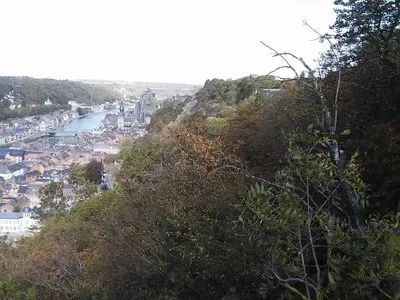
The Church of Gendron dates back to the 12th century and embodies the defensive religious architecture of the Middle Ages to perfection. It is built in local limestone and displays the characteristics of a fortress church:
The church was restored in 2015 and is still an active heritage site, where regular masses and cultural events (concerts, exhibitions, weddings) take place.
The ruins of the Château-Fort de Gendron, perched on a rocky spur above the valley, testify to the hamlet's strategic importance in the Middle Ages. Built in the 11th century, the fortifications protected the valley from invasions and raids.
The castle gradually declined after the 17th century and crumbled during the 19th and 20th centuries. Today only the following remain:
Partial archaeological excavations (2010–2012) brought up medieval pottery, coins and weapons, which confirm that the site was continuously occupied from the 11th to the 17th century.

Religious heritage: Beyond the main church, Gendron is home to a 16th-century chapel dedicated to Saint Gendron (the hamlet's patron saint), as well as a medieval cemetery next to the church. The oldest graves date from the 13th century and are an exceptional resource for studying historical demography.
Between the 18th and 19th centuries, Gendron established itself as a prestigious royal destination thanks to the construction of a Royal Stopover of Ardenne. This structure was a luxury inn designed to receive the monarchs of the Netherlands, France and the Holy Empire on their diplomatic travels through the Ardennes.
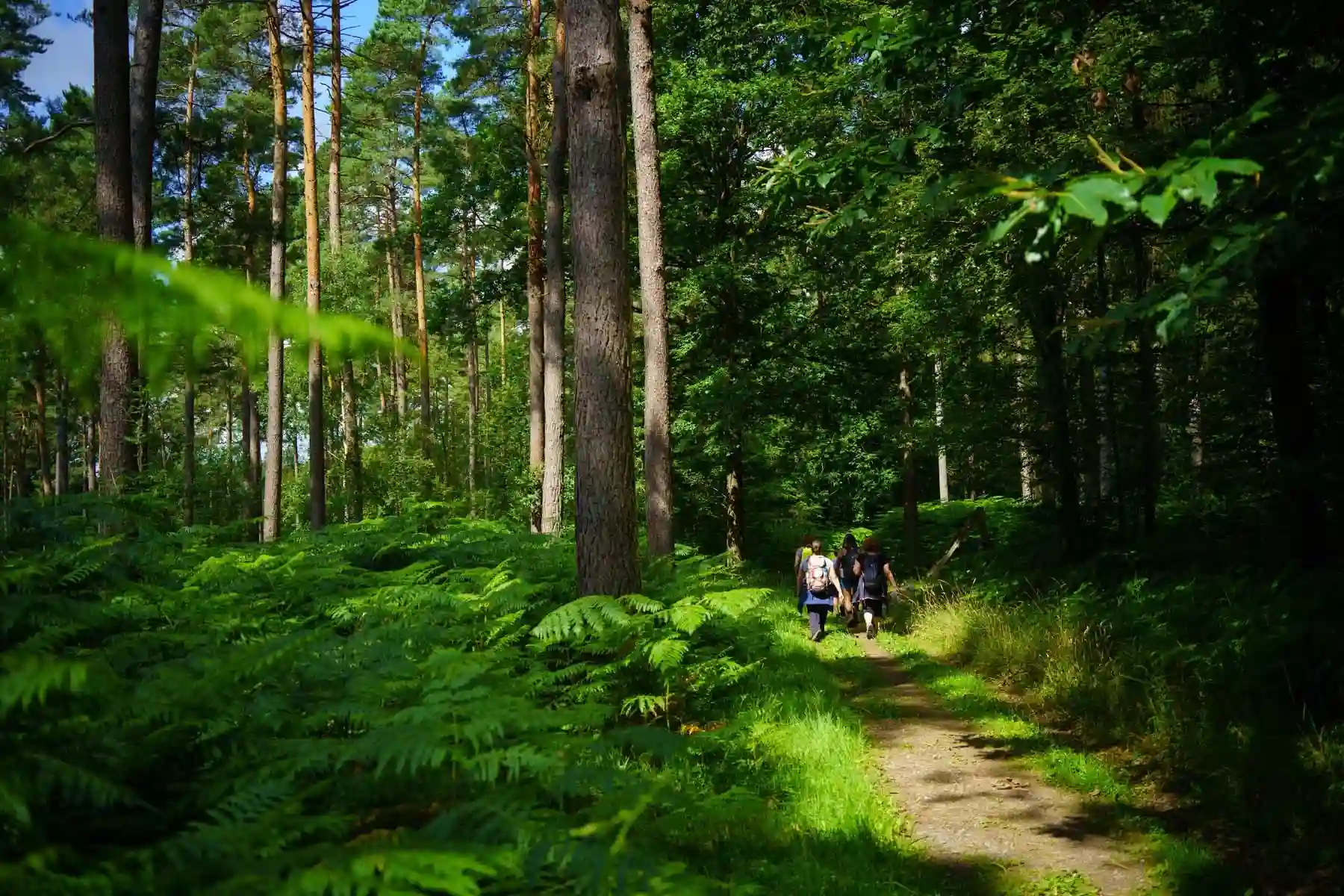
The Royal Stopover building (now a hotel-restaurant) covers roughly 800 m² and is arranged over three floors:
The architecture follows the classical Limburgish style of the 18th century, with a symmetrical facade, Saint Andrew's cross windows and a curved-tile roof. Walls of calcite limestone (from the local Ypresian formation) give remarkable natural insulation.
Notable royal guests: The Royal Stopover welcomed King William I (Netherlands, 1813–1840) during his border inspections, as well as Queen Josephine (wife of William I). Those visits left a deep mark on local history and strengthened Gendron's position as a prestigious destination.
Itinerant royalty declined in the 19th century, and the Royal Stopover gradually became a public hotel-restaurant. Today it operates as a 3-star establishment serving gastronomic Ardennes cuisine and upmarket accommodation, while keeping its period decor (18th-century furniture, tapestries, crystal chandeliers).
The Namur–Bouillon railway line, built between 1878 and 1884, runs straight through Gendron and radically changed the hamlet's economy and mobility. This 60 km line represents a major technical achievement of its era, with impressive tunnels, viaducts and engineering works.
The line at Gendron includes a 140 m viaduct spanning the Lesse, a 600 m tunnel cut through the limestone, and a 2,000 m² station constructed of ashlar stone and topped by an original metal roof.
The line enabled the export of local cutlery and the import of raw materials. It created jobs (railwaymen, workers) and, from the 1890s onward, attracted tourists, which began railway tourism in the Ardennes.
The line is still operational for regional passenger traffic (SNCB), with two trains per day between Namur and Bouillon via Gendron. The engineering works (viaduct, tunnel) are listed as Belgian railway heritage.
Gendron station, restored in 2018, houses a small railway museum which presents the history of the line, locomotive models and historical photographs from the 1880s–1960s.
Tourist trips: Since 2015, the association Chemin de Fer de la Lesse has organised nostalgia trips in summer with period steam locomotives, drawing up to 5,000 passengers per year. These trips leave from Namur, pass through Gendron (20-minute stop) and continue to Bouillon, with spectacular panoramic views over the valley.
Gendron is located 3 km downstream from Anseremme, the main departure point for kayak trips on the Lesse. This proximity makes Gendron a natural gathering point for kayakers, offering welcome facilities, catering and accommodation.
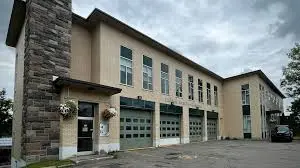
The iconic 10 km route from the Anseremme departure point to Gendron is the most popular with beginners and families. Duration: 2–3 hours, depending on experience.
Characteristics: River difficulty 1–2/5, with a moderate current, wide meanders and no major rapids. The limestone cliff scenery is spectacular.
Beginners & Families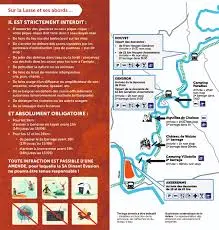
For intermediate kayakers, the 15 km section beyond Gendron has more dynamic conditions. Duration: 3–4 hours.
Characteristics: Difficulty 2–3/5, minor rapids, tighter meanders, natural pools and a current that varies with the seasonal flow.
Intermediate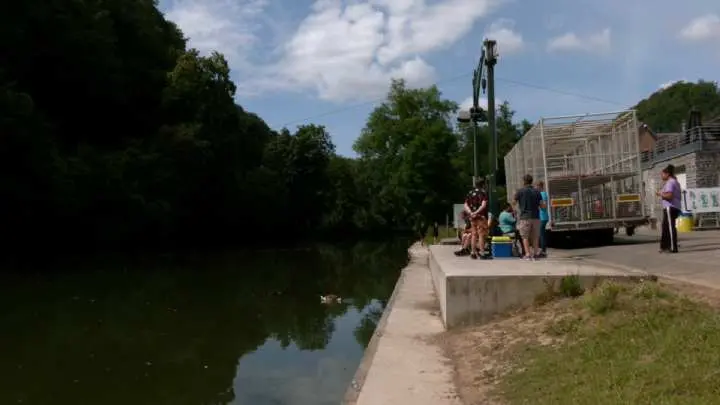
Gendron has a kayak welcome facility operated by Kayaks Gendron SARL, with:
Average observed over the 2020–2026 period
Estimated total annual amount: 12.5 million euros
Data Analysis: The statistics show that Gendron is more than a stopover: it is a real economic engine for the municipality of Houyet. Counting more than 42,000 descents recorded each year, the hamlet generates continuous activity that directly supports 12 operators and dozens of indirect jobs in hospitality and services. For more details on route options, see our Lesse vs Semois comparison.
Beyond kayaking, Gendron is a major hiking destination in the Ardennes. The hamlet is the starting or meeting point for a dozen marked trails that explore the cliffs, forests and neighbouring valleys.
4 km south of Gendron, the Aiguilles de Chaleux are a spectacular rock formation produced by the differential erosion of limestone. These “needles” (pointed rock peaks) reach up to 80 m in height and form a world-renowned climbing site.
The Aiguilles are a A site listed in the Walloon geological heritage and fall under strict environmental protection (sensitive nesting zones).
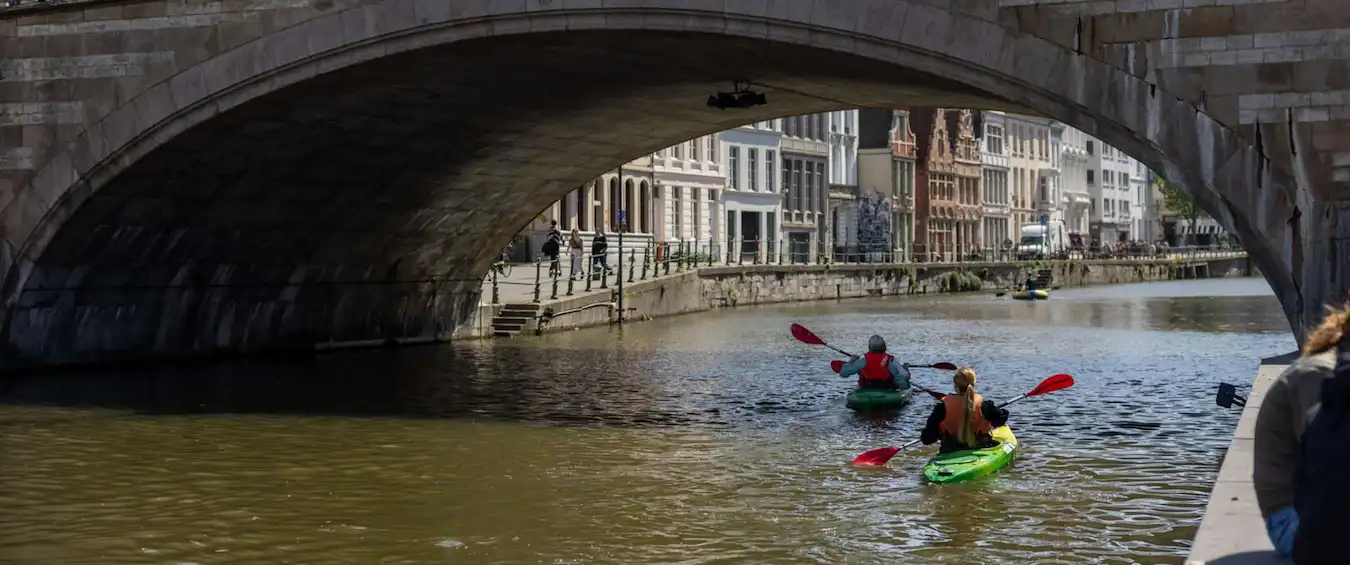
Hiking circuits from Gendron:
A moderate 8 km A hike (2 hours) that explores the ruins of the medieval castle and the fortified church. Exceptional panoramas over the Lesse Valley. Blue waymarking.
A 12 km A riverside hike (3–4 hours) that follows the Lesse from Gendron to Han-sur-Lesse. It passes accessible caves and canal viewpoints.
A sporty 6 km A hike (2h30) that leads from Gendron to the Aiguilles de Chaleux. The path is steep at the end. Red waymarking. Access to climbing.
An easy 5 km A walk (1h30) through Ardennes beech forests that starts and ends in Gendron. Ideal for families. Yellow waymarking. Picnic areas.
Key adventure tourism figures: Gendron welcomes approximately 15,000 visitors per year for hiking, climbing and kayaking combined. Together these activities generate €2.5M in annual economic benefits for local businesses (accommodation, catering, guides). The tourist season runs from April to October and peaks in July and August.
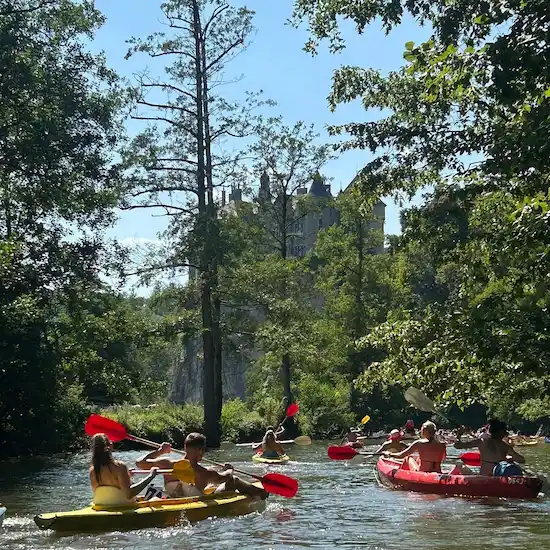
Gendron experienced a golden age of cutlery during the 16th–18th centuries. Local craftsmen (the coutelliers de Gendron) made blades of renowned quality that were exported across Europe. This tradition rested on:
The decline came in the 19th century, but 2 contemporary craft workshops carry this tradition on in Gendron, producing kitchen and hunting knives with ancient techniques. These workshops attract tourists and collectors from all over the world.
Hydraulic Mills: Beyond cutlery, Gendron housed at least 4 flour mills that used the Lesse between the 12th and 19th centuries. They no longer operate, but the structures of two mills survive and are being restored as industrial heritage. One of them (Moulin du Val) could reopen in 2027 as a milling museum.
Gendron stands at the crossroads of three fundamental challenges that will shape its future: the ecological transition, sustainable tourist development and the preservation of its heritage.
A micro-hydroelectric power station project is under study to make use of the gradient of the Lesse around Gendron. Projected capacity: 150 kW, enough to power roughly 200 households. Environmental impact would be minimal.
Under study 2026–2027
Development of a responsible tourism certification (Green Globe label). Gendron aims to cut the carbon footprint of tourism through public transport, eco-friendly accommodation and waste management.
Target 2027
Restoration programme for the Château-Fort (€500k budgeted) and establishment of an archaeological museum displaying the finds from the excavations. Opening is planned for late 2027.
Budget: €500kVision 2030 for Gendron: To become a model sustainable tourist destination in the Ardennes, combining heritage conservation, economic benefits for residents and environmental protection. That takes a delicate balance between tourist appeal (40,000+ kayakers per year) and the preservation of sensitive ecosystems (biodiversity, water quality, tranquillity).
Contemporary challenges:
Gendron embodies the resilience and transformation of small Ardennes communities facing the challenges of modernity. The hamlet has constantly reinvented its role to stay relevant, from a medieval commercial crossroads to a royal destination and then a tourist hub.
Gendron today is far more than a simple hamlet. It is a multifaceted tourist hub offering exceptional geomorphology, rich historical heritage and world-class outdoor adventures. Its 15,000 visitors per year and €12M in economic benefits testify to its regional importance.
The future, however, demands careful navigation of between tourist growth and sustainability. The ongoing initiatives (ecological certification, heritage restoration, infrastructure improvement) put Gendron in a position to become a model of responsible tourism in the Ardennes.
For the visitor, Gendron offers a unique immersive experience: paddling a river shaped by 50 million years of geology, climbing alpine rock formations, exploring medieval ruins and eating Ardennes cuisine at a historical royal stopover. The convergence of nature, history and adventure is what makes Gendron an unmissable spot for tourism in the Lesse Valley.
Every day our team of engineers and enthusiasts analyses the Lesse flow through the Gendron hydrometric station (SPW 8221). This station is the heart of the telemetry in the valley. We combine this data with local history to give visitors a 360° view of this exceptional territory. Whether you hike alone or come as a family looking for adventure, Gendron will surprise you with its hidden wealth. Do not forget to consult our expert comparison of the Lesse and the Semois to pick the river that best meets your expectations.
« A perfect family day on the Semois. The welcome at Kayak Belgique is warm, the equipment is spotless (the kayaks are modern and clean), and the free shuttle system is superbly organised. A must-visit in the Ardennes! »
« Beautiful kayak trip on the Semois starting from Vresse! Very friendly staff and excellent shuttle service. The riverside campsites along the Semois are also a must for nature lovers. »
« Superb 11 km kayak descent starting from Alle-sur-Semois. The wild nature of the Ardennes is magnificent in the spring sunshine. Very competitive prices compared to the competition. We'll be back! »
« Wonderful experience! The kayak tour on the Semois was perfectly organised. The team is very helpful and speaks good German. The scenery of the Belgian Ardennes is simply breathtaking. »
« Excellent kayak rental service and great campsite on the banks of the Semois. The prices are very fair and the atmosphere is friendly and family-oriented. The little terrace bar is perfect for a refreshing drink after the effort. »
« A fantastic last-minute welcome even though we hadn't booked in the middle of August. Life jackets and waterproof barrels are provided free of charge. Very safe descents, ideal with children! »
« Top-tier kayak rental on the Semois river. Extremely friendly staff, well-maintained kayaks, and a reliable shuttle. The viewpoints along the river are absolutely stunning. Highly recommend this local business! »