Jean-Luc Demaret G
« A perfect family day on the Semois. The welcome at Kayak Belgique is warm, the equipment is spotless (the kayaks are modern and clean), and the free shuttle system is superbly organised. A must-visit in the Ardennes! »
The Pearl of the Famenne — Royal History, Heritage & Sustainable Tourism
In our in-depth analysis, listen to the challenges of mass tourism and to the sustainable territorial management strategies applied in Houyet. It is an expert insight from Quentin Deligne.
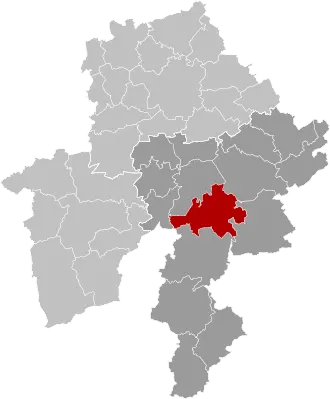
Houyet is a vast forested territory of 122.85 km². It embodies the rural-urban transition of the Namur Famenne region, with a royal history, exceptional heritage and a resilient economy rooted in sustainable tourism.
Since the 19th century, the royal House of Saxe-Coburg-Gotha has shaped the territorial identity of Houyet. It turned an isolated agricultural area into a prestigious resort destination.
Royal summer residence was acquired by King Leopold I in 1840. Transformed under Leopold II by the architect Alphonse Balat, it remains the inalienable property of the Royal Donation, and a symbol of the soft power of the Belgian State.
A luxury palace commissioned by Leopold II in 1897 and a historic driver of aristocratic tourism. It was demolished in 1968, and only the Leopold Tower is all that survives, and it now serves as the clubhouse of the Royal Golf Club of the Ardennes.
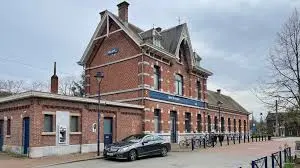
A unique circular structure nestled into the cliff face along line 166 (Namur-Bertrix), it gave royal guests direct access to the castle. Decommissioned in 1919, it remains intact as an architectural witness of the era.
The major turning points in Houyet's history, from the 19th century to the present day.
Apart from the royal imprint, Houyet holds gems of Gothic and Romanesque architecture, which bear witness to a continuous human presence since the Early Middle Ages.
The undisputed jewel of 14th-century military architecture in Belgium. Rebuilt in 1410 by the Lords of Beaufort, this pentagon flanked by six circular towers with pointed slate roofs stands majestically atop a rocky spur, overlooking the village of Celles.
Descendants of the Beaufort family (counts of Liedekerke Beaufort) still live in the castle. It offers costumed visits and immersive treasure hunts, and so renews its economic model of conservation.
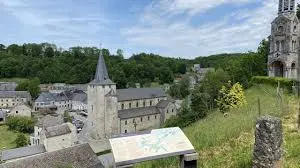
An absolute masterpiece of 11th-century Mosan Romanesque style. It was founded in connection with the cult of the hermit saint Hadelin (whose cella gave the village its name), and this collegiate church preserves priceless liturgical furnishings.
The carved choir stalls of the 13th century, the baptismal font and the 12th-century stoup bear witness to the wealth of the ecclesiastical patrons of the Meuse valley. It is a sanctuary of spirituality and architectural refinement.
Houyet was once a "walkers' paradise" dominated by kayaking. It is now moving towards a sustainable, polycentric tourism model called the "Rural Experience Territory".
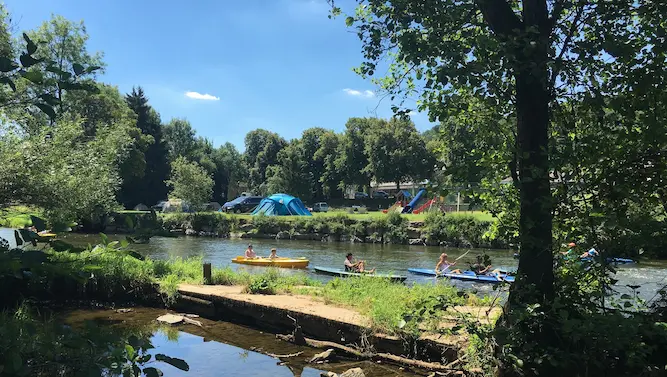
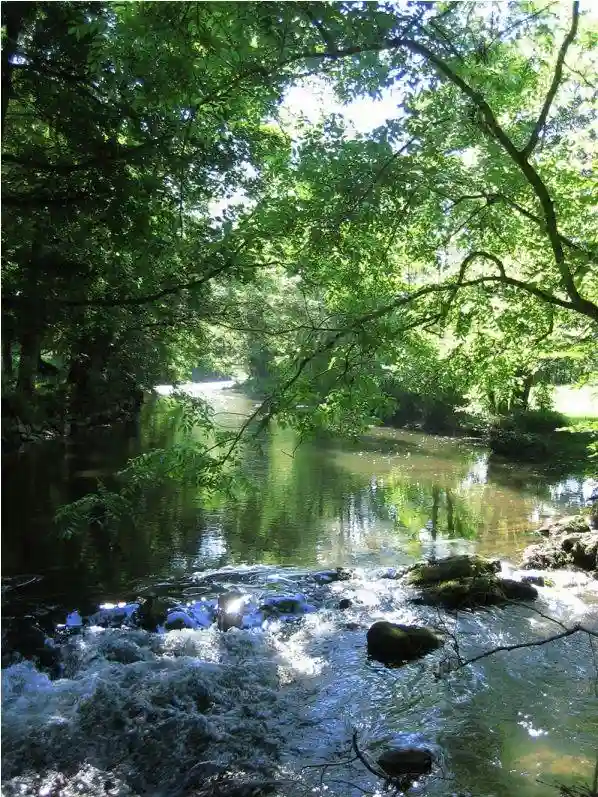
The flagship activity, which generates massive visitor flows during the summer season. Choose the long route (21 km Houyet-Anseremme, 5h) or the family-friendly one (12 km Gendron-Anseremme, 2h30). It is strictly regulated by Natura 2000 and Council of State rulings.
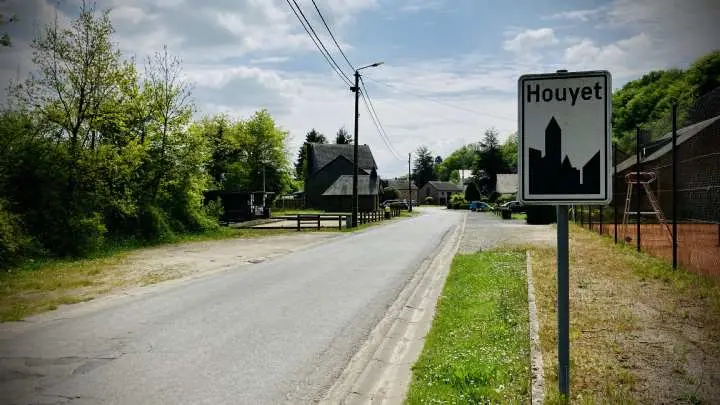
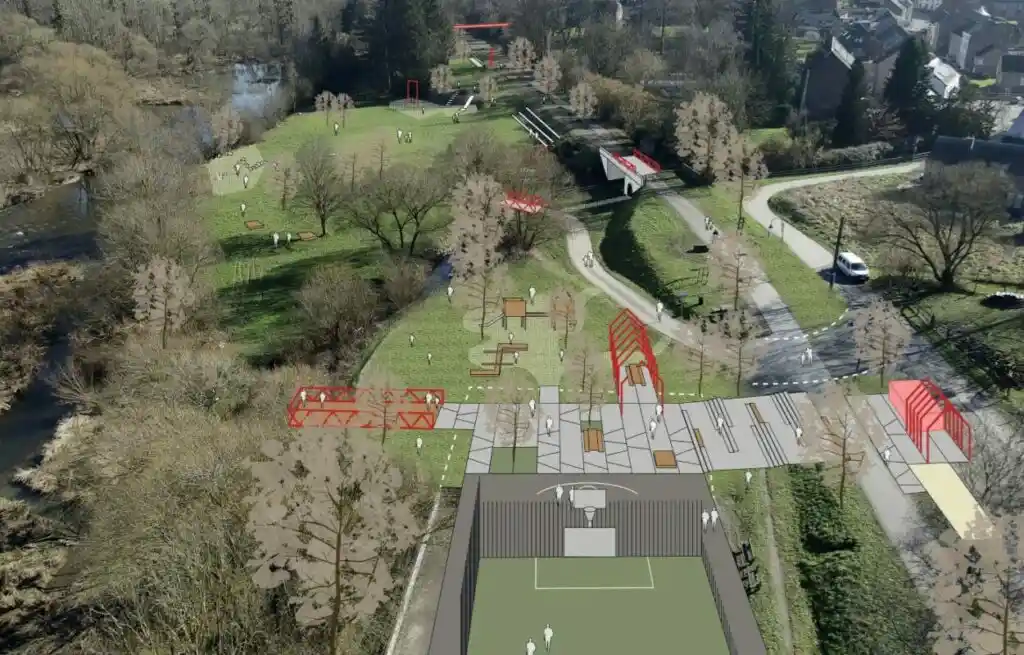
Safe soft mobility. Line 150 (Houyet-Rochefort, 18+ km) offers a contemplative route through forests and meadows, welcomes electric mountain bikes and is developing upmarket cycle tourism.
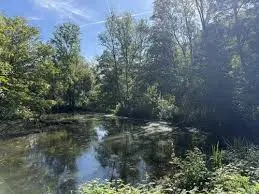
A remarkable geomorphological formation and a listed Walloon site. Its vertiginous rocky pinnacles are prized by climbers and hikers, with a breathtaking panorama over a meander of the Lesse. Its calcicolous biodiversity is protected.
Houyet has turned the constraints of its soil into major assets. Historically extensive dairy farming laid the foundations of a highly reputed cheese and butter industry, complemented by a vibrant short-supply-chain economy and neo-craftsmanship.
Family farms that respect Walloon tradition produce renowned artisan cheeses and butter. Beurre Mathot from Celles and the L&L Plaquette house from Mesnil-Saint-Blaise are famous well beyond the province of Namur.
Dynamic goat farms ("Les Demoiselles de Famenne" in Hour) and sheep breeders give structure to the quality rural economy, meeting urban demand for traceable and organic products.
Village commercial centres are being revitalised, which illustrates a renewal of entrepreneurship. Pop Factory, an artisan bakery at the heart of Houyet, combines slow fermentation (natural sourdough breads) with innovation (pop cakes). It is a symbol of the rising expectations of local consumers.
Markets of local producers (Hour, held twice a month from April to October) build a vibrant local life around short supply chains and the proximity economy.
A tradition of artisan excellence etched into collective memory, now rediscovered as a symbol of "slow-made" craftsmanship and as a potential driver of economic revival.
Houyet's cutlery industry was founded around 1850–1851 under the impetus of King Leopold I. It makes high-end hunting knives and working tools, renowned for the strength of their forged steel blades.
Handles are crafted from the robust horn of local cattle or from the shed antlers of deer, which are abundant in the Ardennes forests. During the World Wars, Houyet's cutlers drew masterfully on local natural resources to keep production going.
In the 20th century the industry declined against standardised industrial production, yet the know-how remains a pillar of local heritage. Young artisans interested in hyper-craftsmanship and the luxury cutlery market have real potential for revitalisation to work with.
Houyet has to steer between preserving its exceptional heritage, managing growing tourist pressure and adapting to inevitable demographic and climatic changes.
Natura 2000 zones that need strict protection. Kayaking and biodiversity preservation are in recurring conflict (White-throated Dipper, Freshwater Pearl Mussel). The Lesse River Contract puts 571 action sheets into practice to restore ecological integrity.
Dependence on private cars is near-total (65.5% of vehicle fleet). Because infrastructure is spread across 122.85 km², road maintenance and network connections carry high structural costs. Public transport is limited, despite the historic rail axes.
Inevitable ageing (19.81% aged 65+) with risks of senior isolation. Youth exodus toward urban centres offering more skilled employment. Steady growth (4,149 inhabitants in 1992 → 5,215 in 2026) conceals deep structural changes.
Houyet offers a rich palette of experiences rooted in nature and history, whether you choose a majestic kayak descent of the Lesse, a meditative hike along the RAVeL or an immersion in the medieval heritage of the village of Celles.
« A perfect family day on the Semois. The welcome at Kayak Belgique is warm, the equipment is spotless (the kayaks are modern and clean), and the free shuttle system is superbly organised. A must-visit in the Ardennes! »
« Beautiful kayak trip on the Semois starting from Vresse! Very friendly staff and excellent shuttle service. The riverside campsites along the Semois are also a must for nature lovers. »
« Superb 11 km kayak descent starting from Alle-sur-Semois. The wild nature of the Ardennes is magnificent in the spring sunshine. Very competitive prices compared to the competition. We'll be back! »
« Wonderful experience! The kayak tour on the Semois was perfectly organised. The team is very helpful and speaks good German. The scenery of the Belgian Ardennes is simply breathtaking. »
« Excellent kayak rental service and great campsite on the banks of the Semois. The prices are very fair and the atmosphere is friendly and family-oriented. The little terrace bar is perfect for a refreshing drink after the effort. »
« A fantastic last-minute welcome even though we hadn't booked in the middle of August. Life jackets and waterproof barrels are provided free of charge. Very safe descents, ideal with children! »
« Top-tier kayak rental on the Semois river. Extremely friendly staff, well-maintained kayaks, and a reliable shuttle. The viewpoints along the river are absolutely stunning. Highly recommend this local business! »